A burst pipe can cause significant damage to your home if not detected and addressed promptly. This comprehensive guide provides essential steps and tips for homeowners to efficiently diagnose and contain a burst pipe emergency. In this article, you’ll learn the critical signs of a burst pipe, how to employ effective diagnostic procedures, and the immediate actions needed to protect your home until professional help arrives. With the increasing frequency of plumbing issues, knowing how to identify a burst pipe quickly can save you from costly repairs and damage.
We’ll focus on identifying key signs of a burst pipe, outlining diagnostic procedures, offering emergency containment measures, and providing preventative tips to avert future incidents.
What Are the Key Signs of a Burst Pipe in Your House?
Detecting a burst pipe promptly is essential in minimizing damage. Here are several key indicators that your home may be experiencing a plumbing emergency.
How to Identify Visible Leakages and Water Damage Symptoms
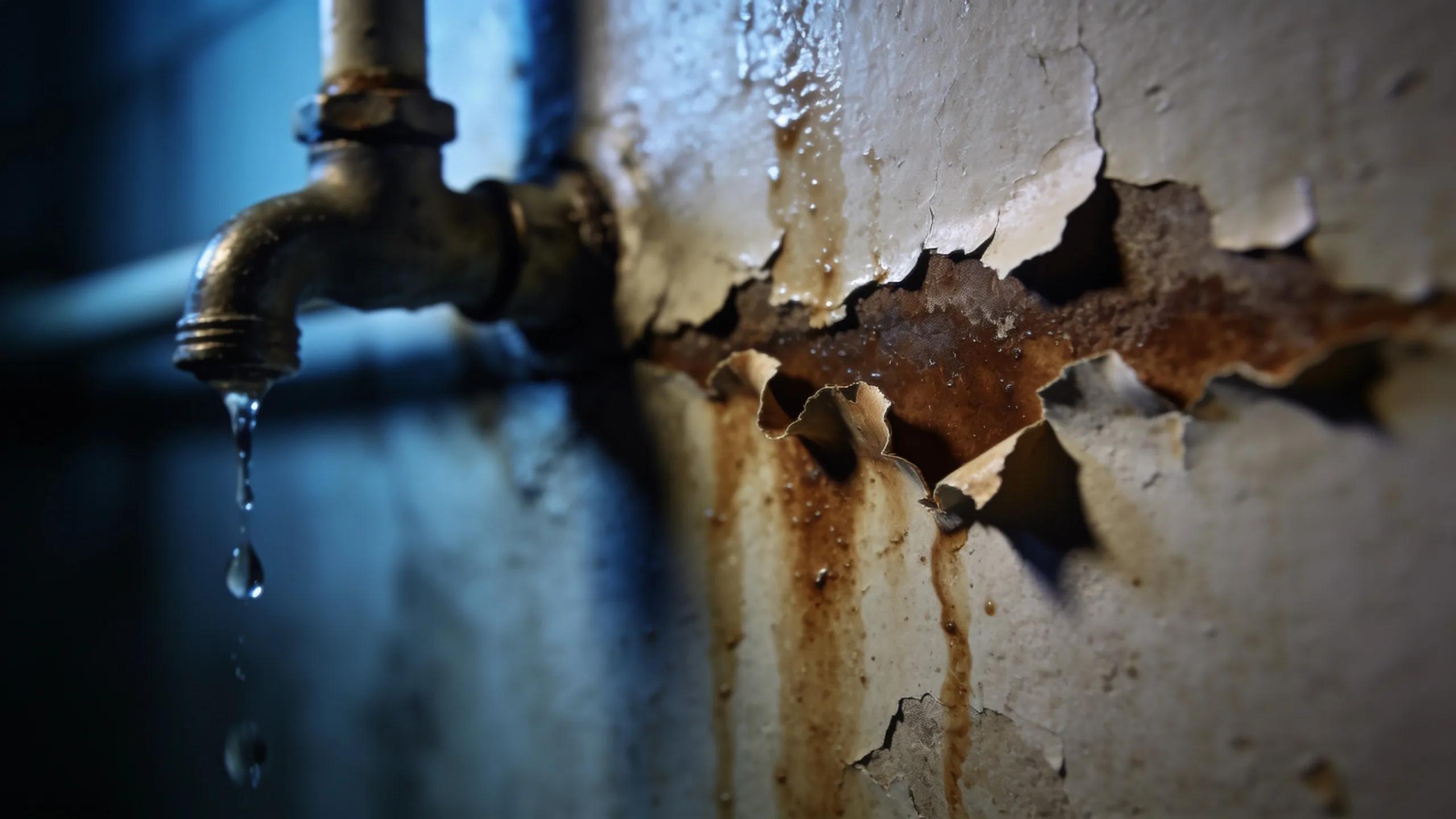
Visible leaks are often the first sign that a pipe has burst. Homeowners should check for water pooling in unusual places, especially near walls and ceilings. Signs of discoloration on walls or ceilings can indicate water damage, necessitating immediate attention to avoid extensive structural issues.
What Unusual Sounds or Odors Indicate a Pipe Has Burst?
In addition to visible signs, unusual sounds like gurgling from toilets or drains can indicate an issue with your plumbing. Furthermore, foul odors stemming from leakages can signal stagnant water, which encourages mold growth and may pose health risks. Addressing these sounds and odors promptly can help protect your home from additional damage.
How to Quickly Identify and Diagnose a Burst Pipe
If you suspect a burst pipe, follow these diagnostic steps to evaluate the situation accurately.
How to Locate Your Main Water Shutoff Valve and Turn Off Water Supply
First, locate your main water shutoff valve, which is commonly found in the basement, crawlspace, or near the water meter. Turning off the water supply immediately can help contain the situation, minimizing water damage in your home. It’s recommended to familiarize yourself with the valve location before any emergency arises.
How to Inspect Pipe Lines and Use Water Pressure Checks for Diagnosis
Next, inspect visible pipes for any signs of leakage. Pay close attention to joints and connections, which are common points of failure. Performing a water pressure check can further help identify any discrepancies; a sudden drop in water pressure may indicate a hidden leak.
What Emergency Containment Measures Should You Take Before Repair Services Arrive?
Once a burst pipe is confirmed, taking immediate action is crucial to protect your property.
How to Minimize Water Damage and Protect Your Property Immediately
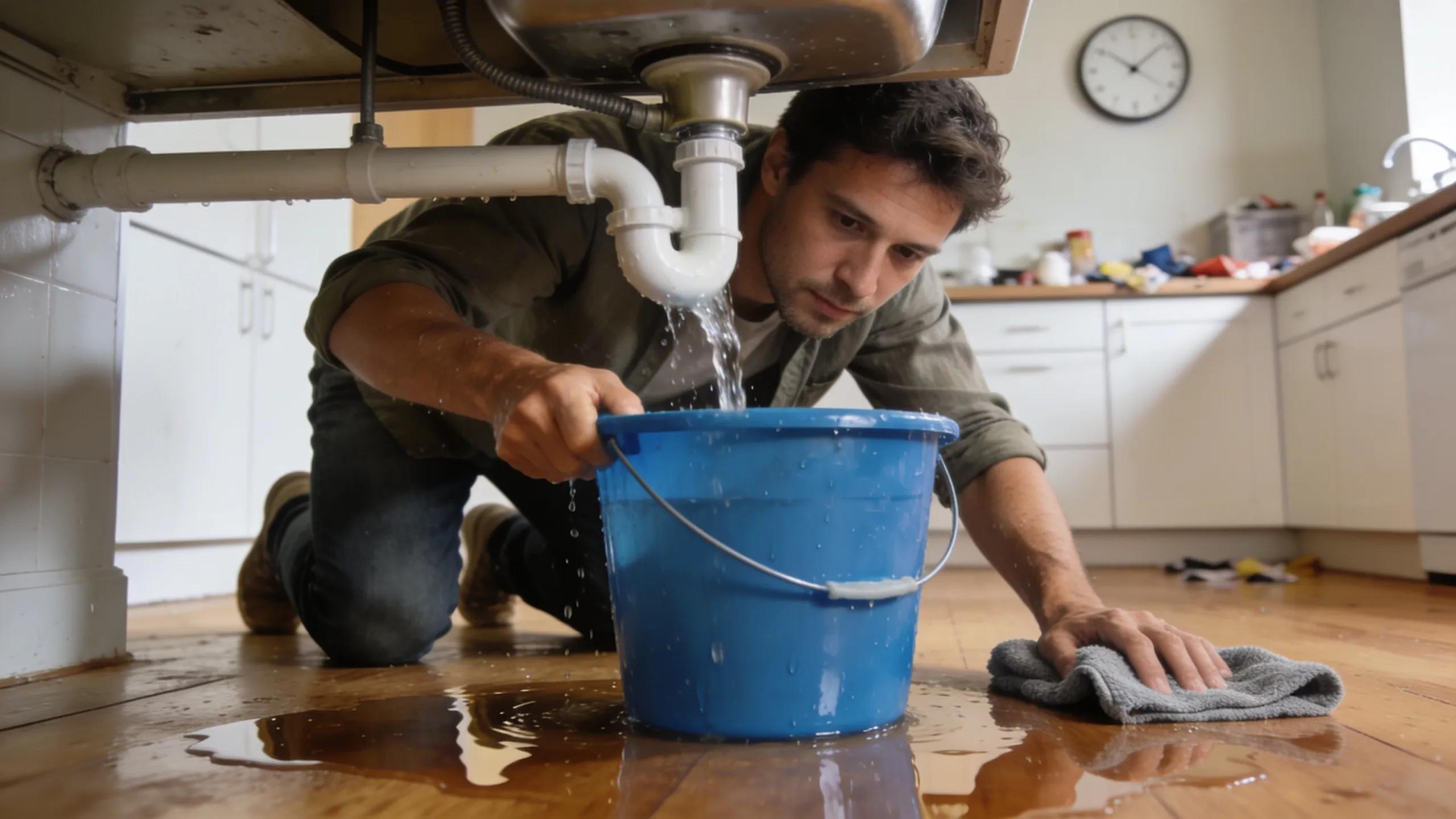
Utilize buckets and towels to contain any pooling water. If necessary, turn off electricity to affected areas to prevent electrical hazards. These minor yet critical steps can help mitigate damage until professional repair services can address the issue.
When Should You Call a Plumbing Service for Burst Pipe Repair?
If you observe signs of severe water damage or cannot locate the source of the leak, it is imperative to call an emergency plumbing service. Their qualified technicians are available 24/7 to provide immediate burst pipe repair services.
What Preventative Tips Can Help Avoid Future Pipe Bursts in Your Home?
Preventive measures can help you avoid the occurrence of burst pipes in the future.
How to Prepare Plumbing for Seasonal Changes and Cold Weather
Preparing your plumbing system for seasonal changes, especially cold winters, is vital. Insulating pipes in unheated areas and allowing faucets to drip slightly can prevent freeze-related bursts during extreme cold weather.
What Regular Maintenance Helps Identify Issues Before They Become Emergencies?
Establishing a routine maintenance schedule is essential. Annual inspections by a licensed plumbing professional, along with regular drain cleaning, can help identify potential weaknesses before they develop into significant problems. This approach not only prolongs the life of your plumbing system but also saves money in the long run.
Implementing these practices not only ensures a well-functioning plumbing system but also gives homeowners peace of mind against the risk of burst pipes at unexpected moments. By being vigilant and proactive, you can significantly reduce the chances of experiencing a plumbing catastrophe.