Choosing between a tank and a tankless water heater can be a challenging decision for homeowners and businesses in Kennewick, WA. Each option offers distinct advantages and drawbacks, which makes understanding the “installation costs” essential. In this article, we will explore the various installation costs associated with tank and tankless water heaters, guiding you through the pricing landscape to make an informed choice. We’ll discuss the breakdown of these costs, factors influencing the final price, and the long-term energy efficiency and savings each system can provide. Additionally, we will cover the typical installation process and help you identify which option best suits your residential or commercial plumbing needs.
Understanding Installation Costs for Tank vs. Tankless Systems
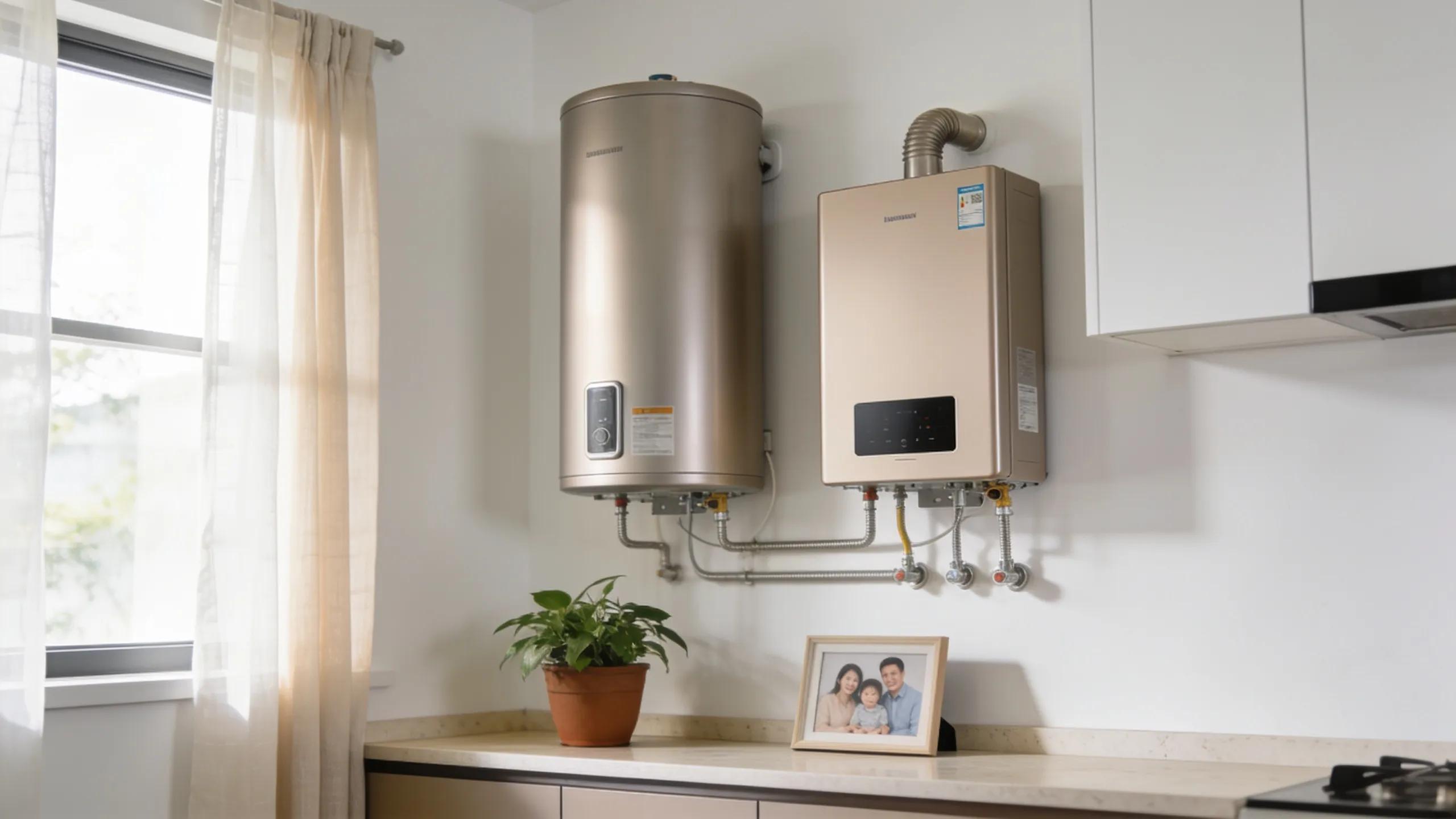
When considering the installation costs of water heaters, it is crucial to understand the differences between tank and tankless systems. Tank water heaters generally range from $300 to $1,500, depending on the unit size and complexity of the installation. On the other hand, tankless water heaters tend to be pricier, typically ranging from $1,000 to $3,000, reflecting their advanced technology and greater efficiency.
Understanding these pricing brackets can significantly aid in your budgeting process, allowing you to evaluate the value each system has to offer over its lifespan.
How Does Tank Water Heater Installation Pricing Break Down?
The pricing for tank water heaters stems from various components, primarily the unit cost and labor expenses. Typically, homeowners can expect to pay around $150 to $600 for parts, including the tank itself, fittings, and other necessary materials. Labor costs can add another $200 to $800, depending on the complexity of the installation, including any necessary modifications to existing plumbing.
Additionally, permit fees that may be required for installations often range from $50 to $150, adding to the overall investment. Understanding these cost components allows homeowners to plan accordingly, ensuring no surprises arise during the installation process.
What Factors Influence Tankless Water Heater Installation Costs?
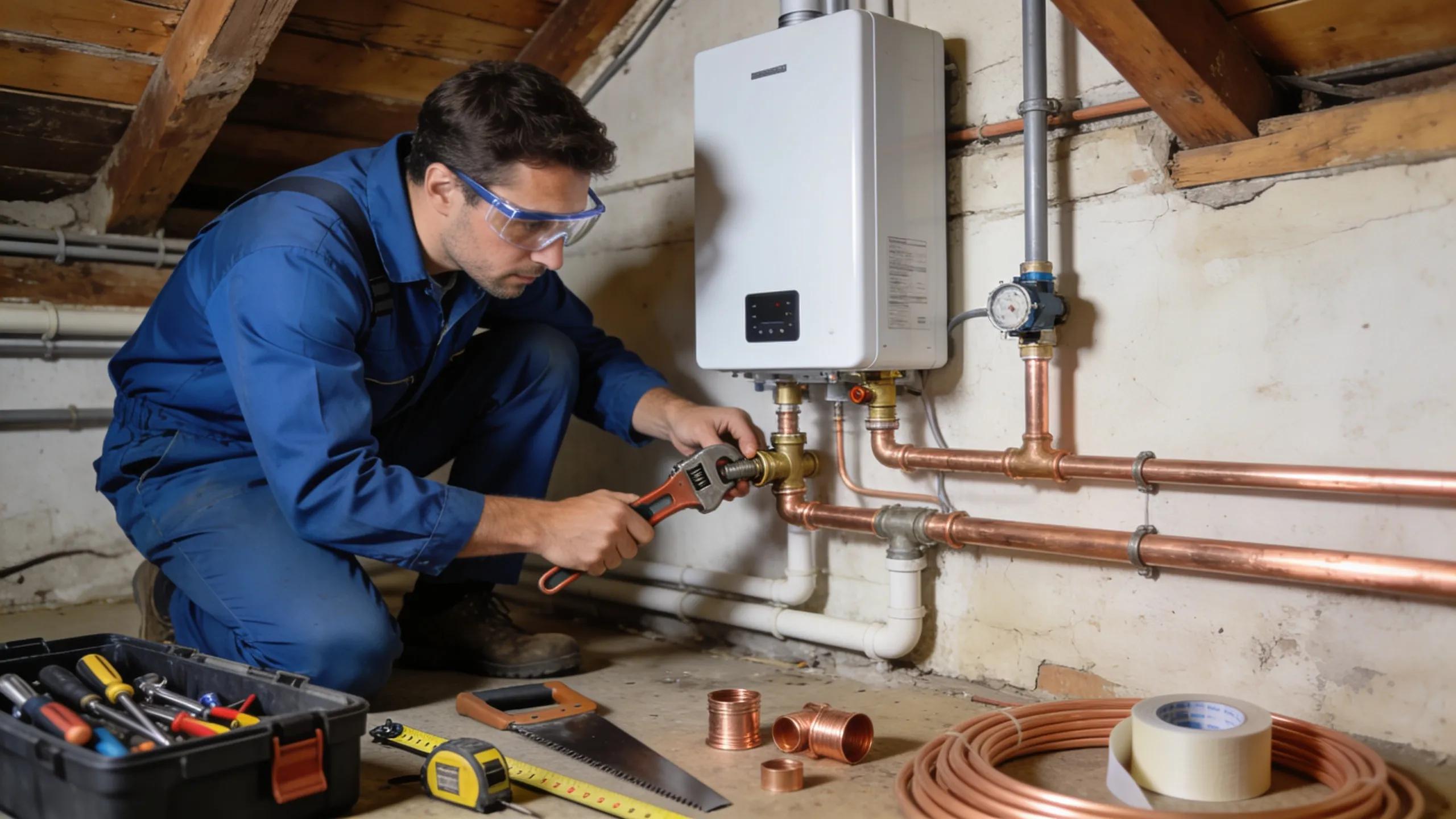
When it comes to tankless water heaters, several key factors can influence installation costs. The complexity of the installation plays a significant role; these systems often require more advanced plumbing and electrical work, which can lead to higher labor costs. Additionally, the type of energy source the unit utilizes—gas or electricity—can affect the installation complexity and cost significantly.
Moreover, location within the home can influence costs; for instance, installations in remote areas may require extra labor for accessibility, thus increasing the final expense. Homeowners should also consider the additional benefits of “energy efficiency” and space savings that tankless systems offer, as these can lead to lower utility bills over time.
How Do Energy Efficiency and Savings Compare Between Tank and Tankless Models in the Tri-Cities Area?
Energy efficiency is a crucial consideration in the evaluation of water heaters. Tankless water heaters are known for their superior efficiency, showcasing energy savings that can be as high as 30% compared to traditional tank systems. By delivering hot water on demand rather than storing it, these systems reduce waste and lower energy consumption.
What Are the Long-Term Energy Benefits of Tankless Water Heaters?

The long-term energy benefits of choosing a tankless water heater include lower utility bills and reduced energy consumption. Users can save approximately $100 annually on energy costs, especially if hot water is used extensively. This not only aids in cost savings but also represents a positive step toward more sustainable living through decreased carbon footprints.
How Does Tank System Efficiency Affect Operational Costs?
Tank water heaters, while more affordable initially, generally incur higher operational costs due to their lower energy efficiency. Traditional units must constantly heat the water in the tank, leading to standby heat loss. Over time, this can lead to increased energy bills. By understanding how these costs accumulate, homeowners can make informed decisions about which system to install in their homes.
What Is the Typical Installation Process and Timeframe for Water Heaters in Kennewick, WA?
The installation process for both tank and tankless water heaters typically follows a standard set of steps, but the timeframes can differ significantly. For tank water heaters, the process may take 2-4 hours depending on the complexity and any required plumbing modifications.
How Long Does a Tank Water Heater Installation Take?
In most cases, tank water heater installations generally complete in a few hours, particularly when replacing an existing unit. Factors such as location, the need for additional permits, and plumbing modifications can extend this timeframe.
What Should Customers Expect During Tankless Water Heater Installation?
Tankless water heater installations may take longer, typically 4-10 hours. Homeowners should prepare for possible wall modifications and extensive plumbing alterations, especially in older homes. It’s essential to consult with professional installers to understand all steps involved and get an accurate projection of the completion timeframe.
Which Water Heater Installation Options Are Best Suited for Residential and Commercial Plumbing Needs in Kennewick?
Determining the best water heater installation option involves evaluating both tank and tankless systems based on specific residential and commercial needs. Each choice has distinct advantages that cater to different scenarios.
What Are the Advantages of Tank Water Heaters for Homeowners and Businesses?
Tank water heaters offer several benefits, including lower initial costs and a consistent supply of hot water for households or businesses with high constant demands. They are traditionally favored for their simplicity and proven track record of reliability, making them a solid option for many users.
How Do Tankless Systems Meet Commercial and Industrial Demands?
Tankless systems are invaluable for commercial and industrial settings that require a continuous hot water supply without the limitations of tank capacity. The ability to scale installations based on demand means businesses can efficiently meet hot water needs without compromising energy efficiency.
With water heating representing a significant portion of energy bills, making an informed decision based on installation costs and long-term savings potential is vital.
In summary, both systems can serve different needs effectively, making it essential to evaluate your requirements, budget, and preferences before making a choice. “Express 24-Hr Plumbing and Drain” specializes in professional plumbing services, including timely water heater installation, ensuring you get the best fit for your home or business.